One of my favourite applications of personal AI use: I keep a dream diary inside ChatGPT, which I use for jungian analysis and dream interpretation.
At first it was practical: recording fragments before they disappeared in the morning. But over time this system accumulated context… recurring symbols, archetypes, emotional patterns, relationships between dreams across months. Certain motifs returning in different forms, the unconscious circling the same unresolved structures from different angles.
Around that time I read Man and His Symbols, which gave me a first framework for thinking about dreams not as random noise, but as symbolic communications from parts of the psyche outside conscious awareness.
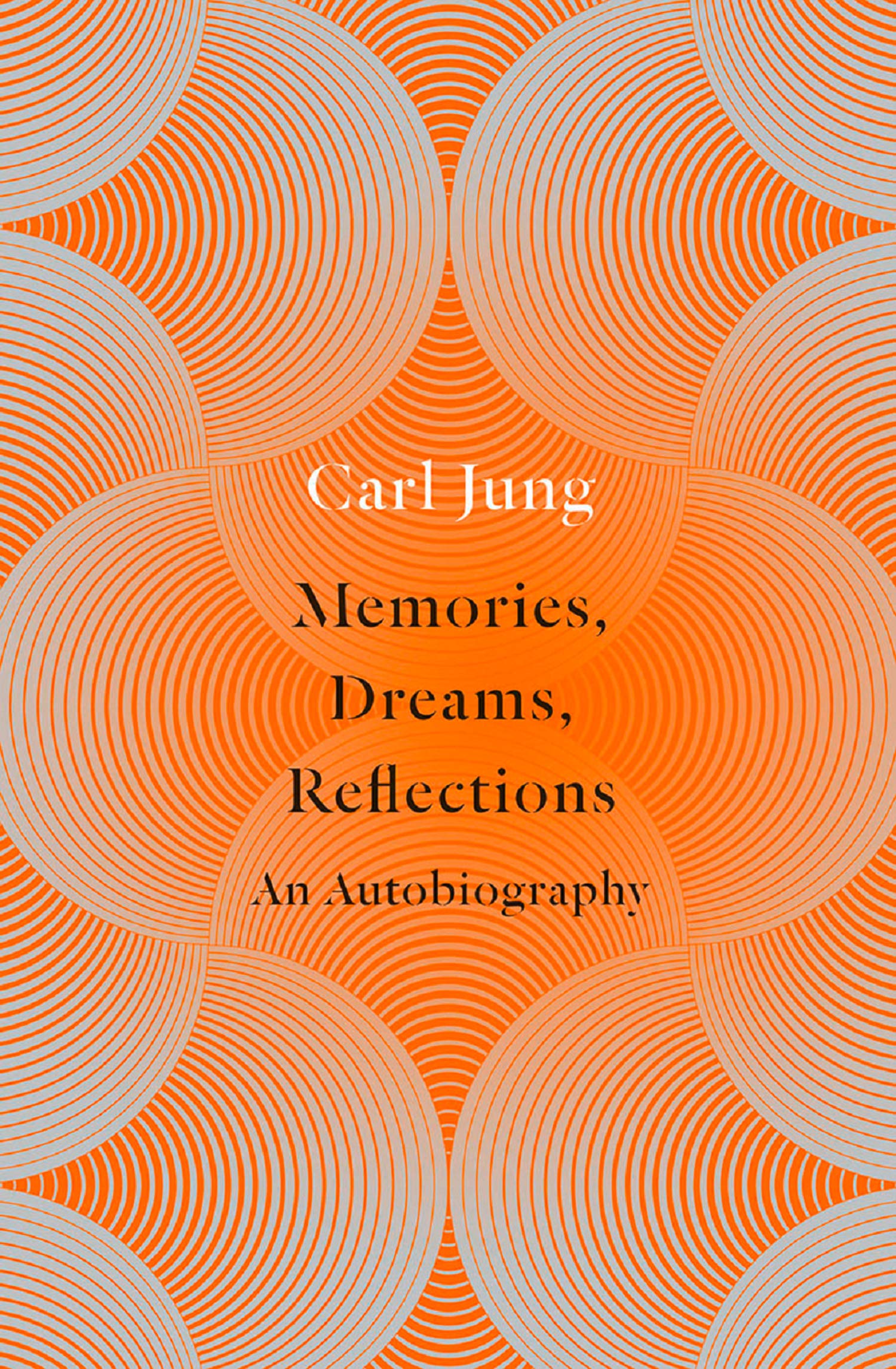
When I started Memories, Dreams, Reflections, listening to it as an audiobook rather than reading it physically, it felt more like being inside Jung’s mind.
Jung approached reality as though everything contained symbolic meaning if observed carefully enough: dreams, mythology, religion, alchemy, architecture, rituals, schizophrenic visions, coincidences, childhood memories. He moved between domains with almost no regard for disciplinary boundaries, long before that kind of thinking became fashionable.
And he practiced the art of noticing. He noticed patterns in his patients that others dismissed. He noticed contradictions within himself. He noticed shifts in Freud before their relationship fractured. Even his concept of the “split personality” within himself, the tension between the rational modern man and the ancient, symbolic inner figure he called Personality No. 2, was treated not as pathology to suppress, but as something to integrate.
Jung’s work often gets flattened online into aesthetics: archetypes, shadow work, personality diagrams. Beneath it all is a genuine willingness to encounter the irrational without immediately reducing it. He approached the psyche almost like an explorer approaching an undiscovered landscape, carefully, symbolically, with respect for the possibility that modern rationality had not explained everything worth knowing.
“The decisive question for man is: Is he related to something infinite or not? That is the telling question of his life. Only if we know that the thing which truly matters is the infinite can we avoid fixing our interests upon futilities, and upon all kinds of goals which are not of real importance. Thus we demand that the world grant us recognition for qualities which we regard as personal possessions: our talent or our beauty. The more a man lays stress on false possessions, and the less sensitivity he has for what is essential, the less satisfying is his life. He feels limited because he has limited aims, and the result is envy and jealousy. If we understand and feel that here in this life we already have a link with the infinite, desires and attitudes change.”
― Carl Jung
What happens to a human being when they lose contact with the infinite?
And he did not believe modern rationality had solved this problem. In many ways, he thought modern people were spiritually starving while materially advancing.
Jung’s relationship with Christianity is one of the most fascinating parts of his work because he neither fully rejected it nor accepted it conventionally.
“My whole being was seeking for something still unknown which might confer meaning upon the banality of life.”
Reading this changed the way I pay attention.
Dreams became less like meaningless mental residue and more like reflections of tensions, desires, fears, compensations, and identities operating below conscious thought. A symbolic language.
And on Jung’s integration of opposites… Science and mysticism. Rationality and symbolism. Clinical observation and myth. He refused to collapse the human experience into a single framework. Instead, he held contradictions together long enough for something deeper to emerge from them.
“Philemon and other figures of my fantasies brought home to me the crucial insight that there are things in the psyche which I do not produce, but which produce themselves and have their own life. Philemon represented a force which was not myself. In my fantasies I held conversations with him, and he said things which I had not consciously thought. For I observed clearly that it was he who spoke, not I. He said I treated thoughts as if I generated them myself, but in his view thoughts were like animals in the forest, or people in a room, or birds in the air, and added, “If you should see people in a room, you would not think that you had made those people, or that you were responsible for them.” It was he who taught me psychic objectivity, the reality of the psyche. Through him the distinction was clarified between myself and the object of my thought. He confronted me in an objective manner, and I understood that there is something in me which can say things that I do not know and do not intend, things which may even be directed against me.”