
“ The demonstration that no possible combination of known substances, known forms of machinery and known forms of force, can be united in a practical machine by which man shall fly long distances through the air, seems to the writer as complete as it is possible for the demonstration of any physical fact to be.” - Simon Newcomb (1906)
J. Storrs Hall’s book ‘Where Is My Flying Car?’ asks why certain anticipated technologies haven’t become mainstream despite our technological capabilities. Hall uses the flying car as a metaphor to discuss innovation stagnation that has plagued since the 1970s, a period he refers to as the “Great Stagnation.”
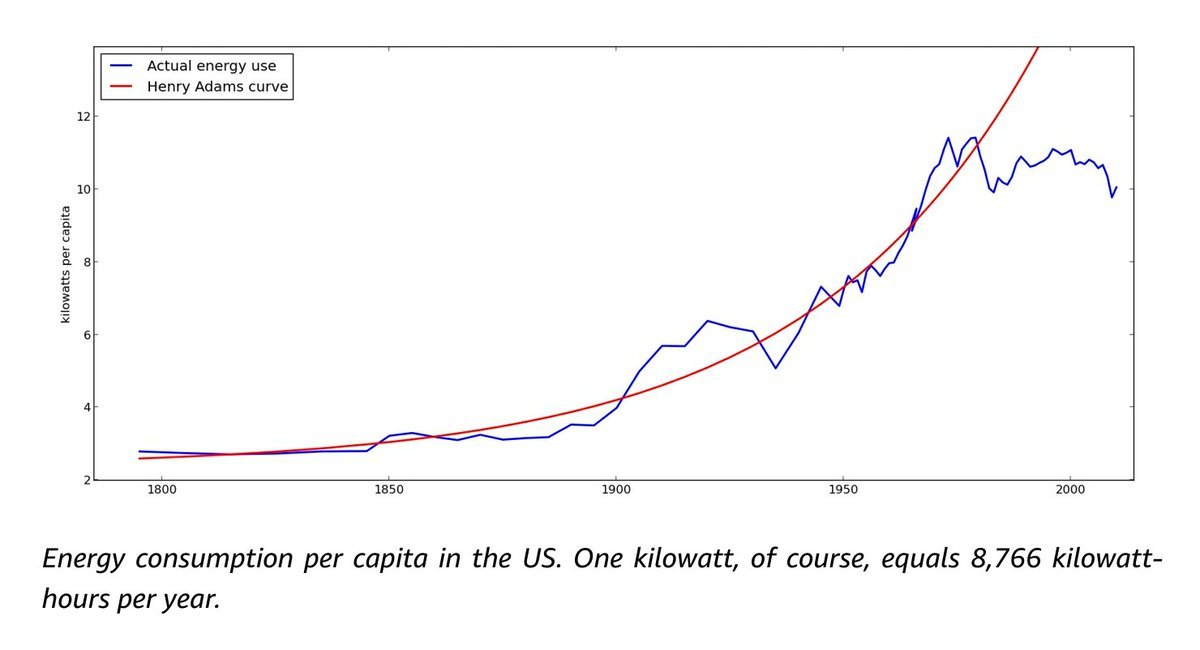
He critiques the rise of “green fundamentalism” and regulatory overreach that stifles innovation in energy solutions like nuclear power. According to Hall, these societal choices have limited our technological landscape.
Questioning the Narrative of Stagnation
Traditional economic metrics like Gross Domestic Product and productivity growth often fail to capture the immense benefits brought about by advances in technology.
This raises the question: How can so much of our daily life change and improve across multiple dimensions, and yet classic measures of progress show those very same decades as ones of slowdown?
How can we go from not having smartphones to using them for about a quarter of our waking hours, and yet see the digital economy as only being worth around fifteen percent of our overall economy?
Where Is My Flying Car?
is both a critique of past failures and a hopeful manifesto for future innovation. Hall’s blend of historical analysis and forward-thinking vision challenges readers to reconsider what is possible when cultural attitudes shift towards embracing technological advancement.
The book serves as a rallying cry for unlimited progress across all dimensions of innovation, urging society to reclaim its ambitious spirit. While resources may be finite or constrained, human ingenuity is not. Our capacity to innovate allows us to transcend apparent limitations, rendering previous constraints obsolete.
Embracing this broader view of progress challenges the narrative of stagnation and underscores the limitless potential of knowledge-driven advancement. The future may not look exactly as past generations envisioned, but that doesn’t mean we’ve stopped moving forward. Instead, we’re charting new paths, leveraging information and technology in ways that previous generations could scarcely imagine.
Key Themes
Historical Context of Innovation: Hall traces the history of flying car development, revealing that numerous credible attempts were made as early as the 1950s. He argues that the barriers to their realisation are not primarily technological but rather cultural and political. The book outlines how regulatory challenges and societal attitudes have hindered progress in various fields, including nuclear energy and nanotechnology, which could have facilitated the development of flying cars.
Cultural and Political Barriers: Hall posits that the stagnation in innovation is largely due to a shift in societal values and priorities. He critiques the rise of “green fundamentalism” and excessive regulation that have stifled advancements in energy solutions like nuclear power, which he believes could have dramatically changed our technological landscape.
“One of the central mysteries of the green faith is the simultaneous belief that the Earth’s climate is heading for a catastrophe of existential proportions, due entirely to human CO2 emissions, and yet that completely emission-free nuclear power must be avoided at all costs.”
Potential of Flying Cars: The book discusses the practical benefits of flying cars, emphasising that they could redefine transportation by expanding the effective travel radius for individuals. This could lead to significant changes in commuting patterns and societal interactions, making previously inconvenient trips feasible.
Future Possibilities: Hall doesn’t just lament current stagnation; he also presents a vision for a future rich with possibilities. He explores advanced concepts such as nanotechnology and proposes ambitious ideas like floating cities and weather control systems, suggesting that with the right focus on innovation, a more abundant future is achievable.